
Astronomy
Here, we dive into the vast mysteries of the universe. From the birth of stars to the search for habitable exoplanets, this section covers the latest discoveries, cosmic phenomena, and deep-space explorations. Whether you're fascinated by black holes, distant galaxies, or the origins of the universe, you'll find thought-provoking articles that bring the wonders of space closer to home.

Cosmic Measurement
5-28-2024
Cosmic measurement precisely sizes and times the universe—from planetary diameters to spacetime expansion. Each method has uncertainties and systematics, but together they form a coherent picture of cosmic scale and structure.

Cosmic Web
3-31-2024
The cosmic web is the universe’s vast scaffold — filaments, nodes and voids of galaxies, dark matter and gas that map large-scale matter. Studying it reveals galaxy formation, matter flows and how visible structures emerge from unseen forces.


Planets Introduction
3-3-2024
Planets are diverse bodies orbiting stars — from rocky, airless spheres to massive gas giants. Studying them illuminates formation, climate dynamics, and conditions for life, linking astronomy, geology, and atmospheric science.

Nebulae
1-27-2024
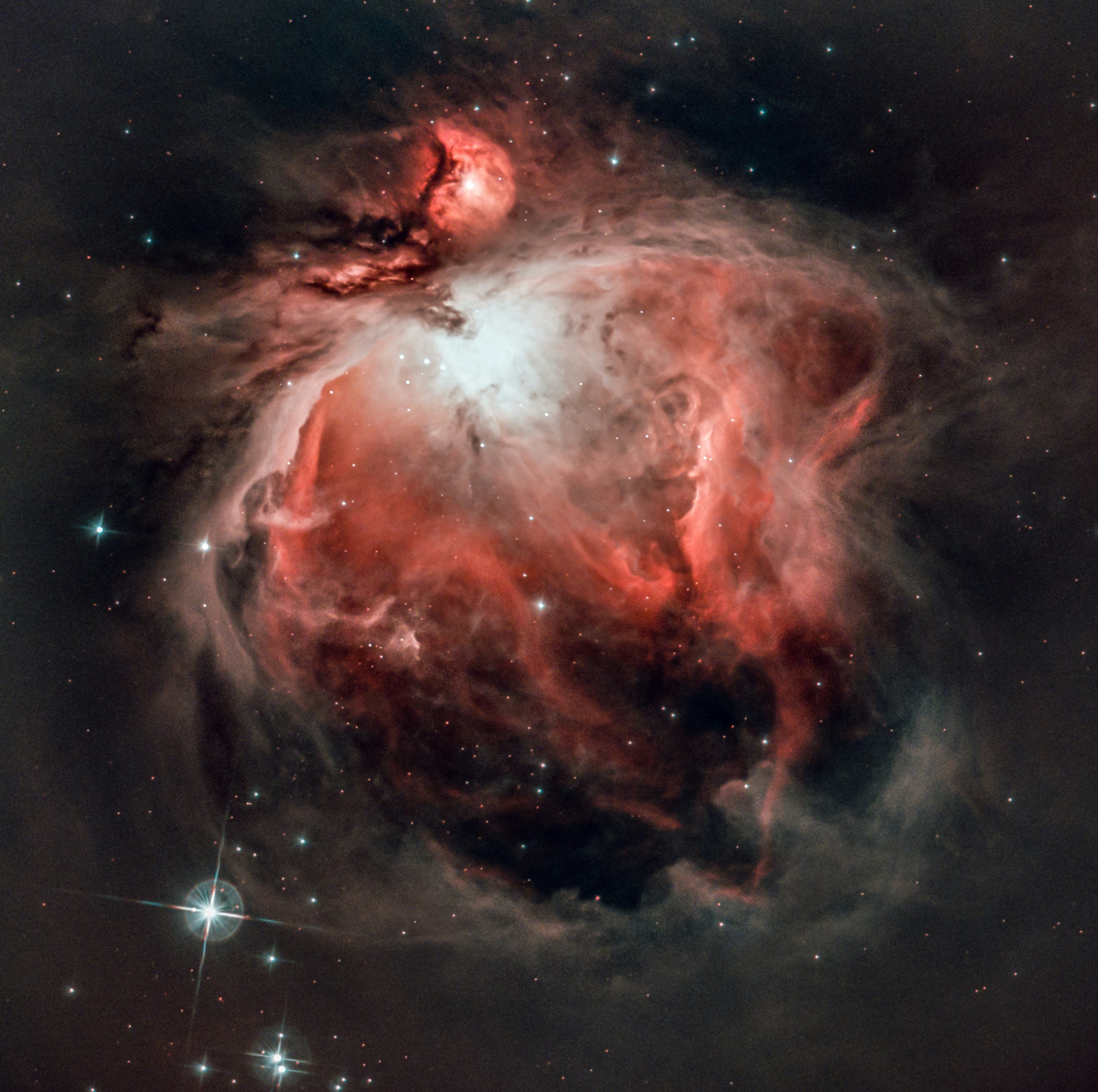
The crowns of their galaxies, jewels of the cosmos; nebulae stand. Giant structures, some full of color, some of light, and some of dense never ending darkness.

Stellar Life Cycle
1-1-2024
Stars form when cold gas and dust collapse into a protostar that ignites hydrogen fusion. The stellar cycle—birth in molecular clouds, fusion-driven evolution, and death as remnants—recycles matter and creates the elements needed for planets and life.

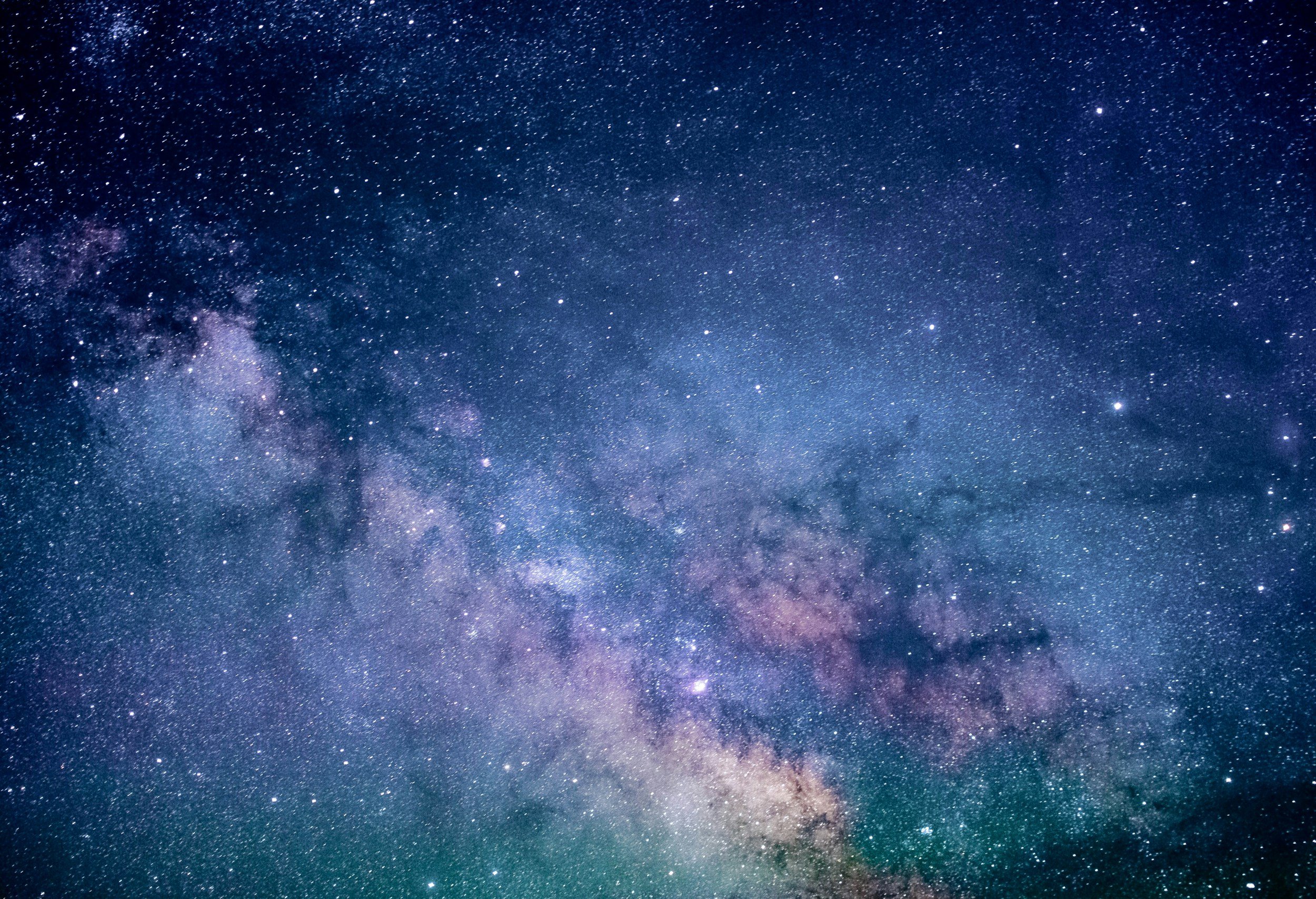
Stargazing
11-22-2023
Stargazing is a quiet gateway to perspective: a simple practice that turns clear nights into classrooms. For students, it builds scientific literacy and spatial thinking while offering a restful balance to study. Look up, learn the patterns, and let the cosmos reframe what matters.
